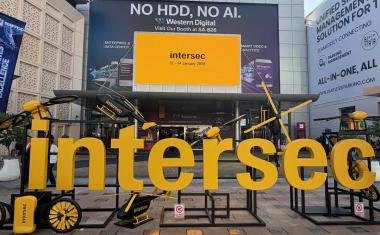
CIAS With Full Perimeter Protection at Intersec
Critical infrastructure, such as energy, water, transportation and telecommunications, is essential to every modern society and requires extremely reliable security systems to prevent damage that could be catastrophic.
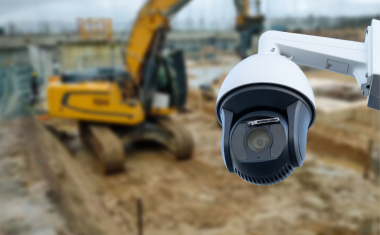
Perimeter security is composed of passive and active measures: Passive systems (like fences or walls) serve to delay intrusion as much as possible; while active systems will detect and define the actual intrusion attempt. This ensures a greater margin of intervention in the shortest possible time, ideally no more than 3 seconds. Any optimized system will take 3 seconds or less to detect and qualify the intrusion, send an alarm to the control room, in order to launch the right response.
There are several useful technologies for fence protection, or Sector 1, which can be fiber optic systems, magnetophonic cable, or MEMS (Micro Electro Mechanical System) accelerometer-based sensors. They are designed to detect different intrusion attempts such as climbing over, cutting, or lifting the fence.
Microwave barriers are one of the most reliable and secure intrusion detection systems used in outdoor perimeter protection, between the building and the first layer, the so-called Sector 2. These barriers perform seamlessly, even in adverse weather conditions, maintain a very high level of detection while maintaining an extremely low rate of false alarms, suitable for protecting high-risk sites. Dual and triple technology barriers with microwave, infrared, and Doppler detection are a combination that overcomes the limitations of infrared-based detection used on its own.
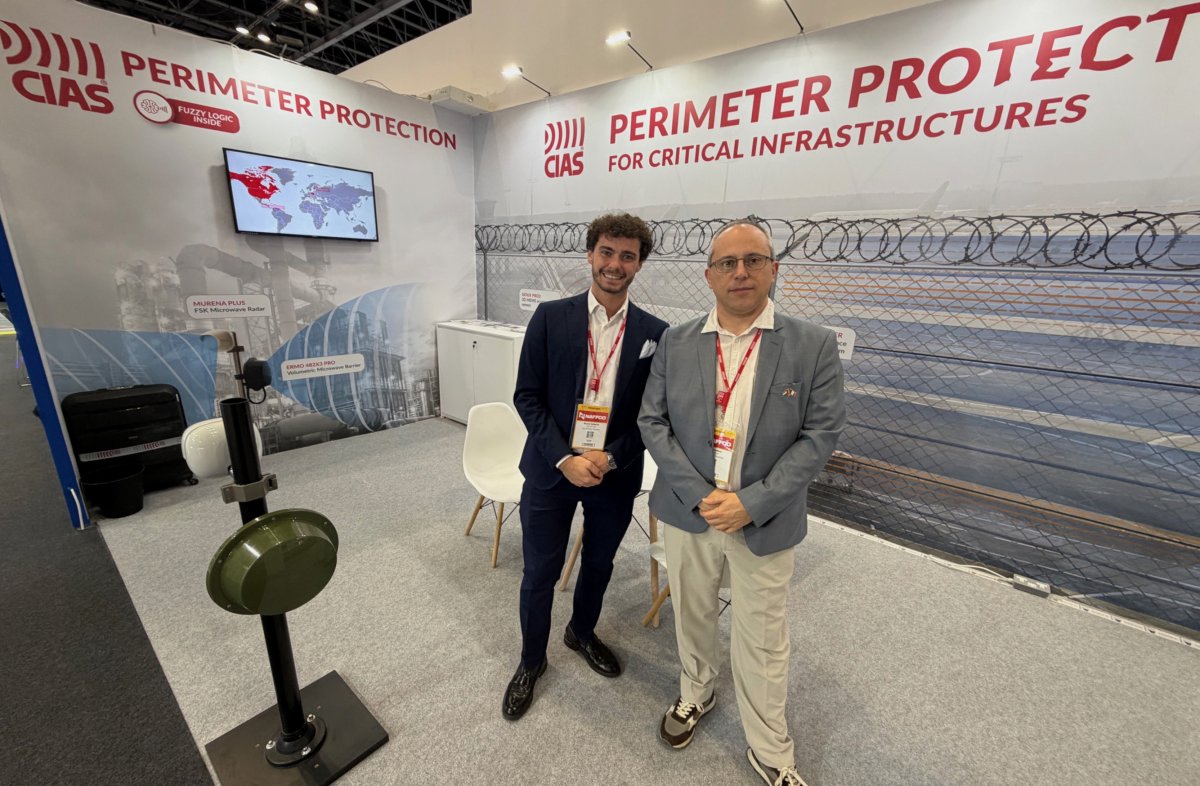
Although the Intersec event where Matthias Erler of GIT Security met them has now closed, Eric Ruschena and Manuel Gaffurini of CIAS remain on high alert to meet the next perimeter security challenge.