Focus on Hybrid Threats: Why Security Is Now a Top Priority and Resilience Is Key to a Company's Success
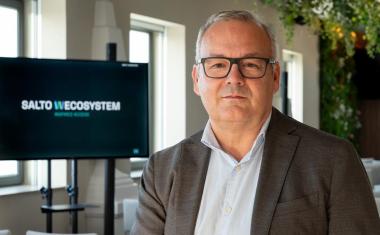
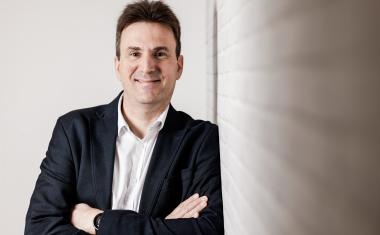
Many companies underestimate just how much the threat landscape has changed. It is no longer just about IT security, but about the stability of entire organizations, says Markus Weidenauer, managing partner of the SecCon Group. He highlights the developments that companies must now take into account and explains why traditional security approaches are no longer sufficient.
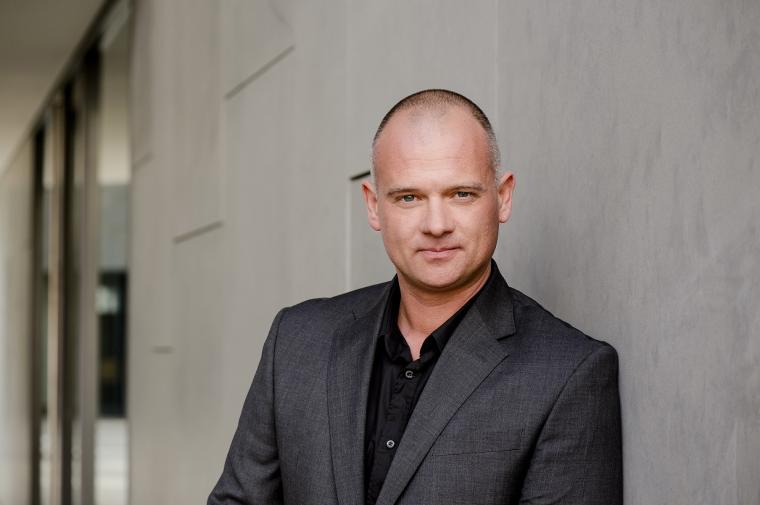
Security is increasingly becoming a key management issue for companies. As hybrid threats become more dynamic, the demands on prevention, resilience, and corporate responsibility are also growing. Management teams are therefore called upon not only to assess risks but also to systematically integrate security into their decision-making and leadership structures.
Safety Is a Top Priority
Today, executives have a personal responsibility to assess risks holistically and to implement appropriate measures in a verifiable manner. Regulatory requirements, rising liability risks, and the increasing complexity of threats mean that security issues must be directly embedded at the highest level of decision-making. “Managers can no longer rely on the assumption that security is already being addressed somewhere within the company. They must understand for themselves what risks exist, what consequences they may have, and how they affect the business,” said the security expert.
Hybrid Threats
There is no longer a clear distinction between cyberattacks and physical threats. “Attackers deliberately combine digital, psychological, and real-world methods. Social engineering, deepfakes, and targeted influence on key individuals have long been part of complex attack scenarios,” says Weidenauer. As a result, companies are facing a threat landscape that is significantly harder to detect and even harder to control. Executives, who serve as gateways to sensitive information and decision-making processes, are a particular focus of these attacks.
Humans as a Key Risk Factor
Despite the growing importance of executives as targets, many security strategies remain heavily technology-focused. “Today, however, attacks are no longer directed solely at systems, but specifically at people. Anyone who fails to take this into account leaves a critical security vulnerability unaddressed,” Weidenauer emphasizes. Security strategies must therefore systematically incorporate the human factor—from individual risk analysis and behavioral prevention to clearly defined crisis response procedures. The expert adds: “Companies should be clear about how vulnerable their key personnel are, and this applies not only professionally but also in their private lives.”
Resilience Through Integration
Effective security does not result from individual measures, but rather from the interplay of processes, technologies, and structures. In practice, this means that compliance, risk management, business continuity, and operational security measures must be integrated with one another. For many companies, this involves a fundamental shift in perspective: away from isolated security solutions and toward integrated, strategically managed approaches. “Resilience is neither a product nor a project. It is the result of consistent integration across all levels, and it must be continuously reviewed,” said the CEO of the SecCon Group.
Crisis Resilience as a Competitive Advantage
Companies that can react quickly, make decisions, and maintain their structures in crisis situations not only ensure their stability but also their market position. As a result, the ability to remain capable of acting even in extreme situations is increasingly becoming a key differentiator. Especially in light of new legal requirements, pressure is also mounting on company leadership to establish and continuously refine appropriate structures. “Ultimately, it’s not just about security, but about ensuring the ability to act and make decisions. Those who cannot lead during a crisis lose control of their own company,” Weidenauer summarizes.