
Airbus Defence and Space: Security as a strategic pillar of Europe's defense capability
The times are bringing the importance of defense and security capabilities in Europe into sharper focus than ever before. As one of the leading players in air defense, satellite technology, cybersecurity and space, Airbus Defence and Space is not only an industrial giant, but a strategic pillar for the continent's security. How does a global company like Airbus respond to these challenges? How does it protect its sites, technologies and employees at a time when physical and digital threats are constantly increasing? And what responsibility does the industry have in dialog with politicians and authorities to strengthen Europe's resilience? GIT SECURITY spoke to Sven Dawson, Head of Corporate Security at Airbus Defense and Space.
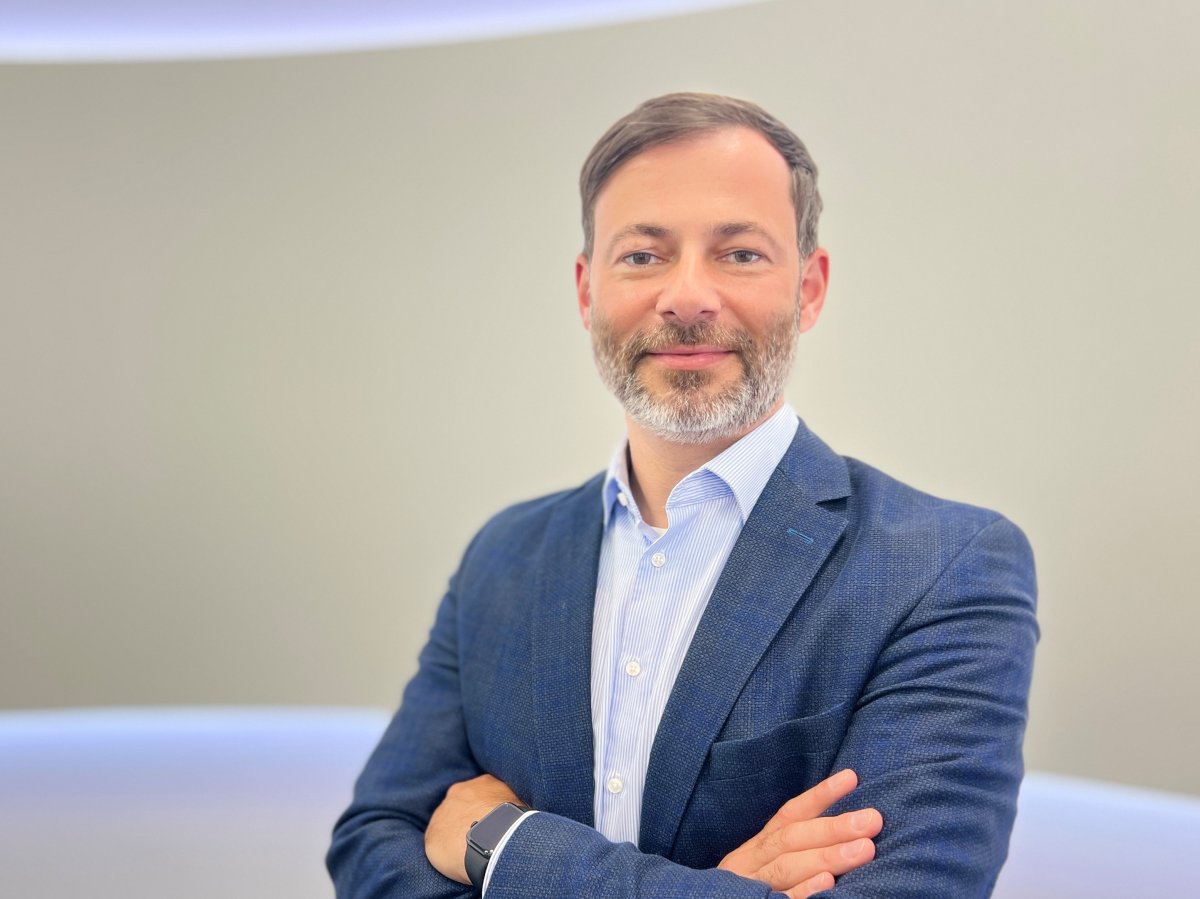
GIT SECURITY International: Mr. Dawson, thank you very much for taking the extra time for this GIT SECURITY interview in these times. The public attention for the Airbus Defense and Space division has probably rarely been as strong as in these weeks and months?
Sven Dawson: That's right, public attention for Airbus Defense and Space has increased significantly in recent months. In view of the war in Ukraine, new geopolitical tensions and the associated turning point in security policy, politicians, the media and the public are now looking much more closely at the question of how we can strengthen our defense and security capabilities in Europe.
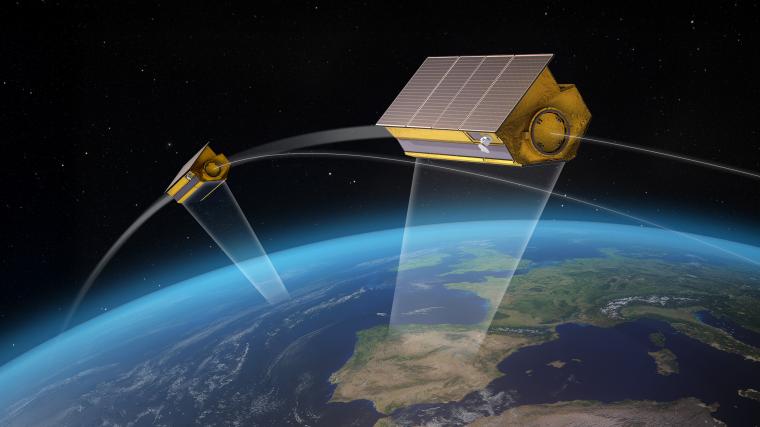
For us, this means a great responsibility - but also an opportunity. With our programs and technologies in the areas of air defence, reconnaissance, satellite communications, cybersecurity and space, we are a key partner when it comes to securing Europe's ability to act. At the same time, we are seeing a new understanding growing in society of the importance of resilience, defense readiness and technological sovereignty. The fact that Airbus Defense and Space is so much in the spotlight shows this: We are not just an industrial company, but a strategic pillar of European security.
Before we delve further into the current situation, let's first talk about Airbus Defence and Space itself - the division that deals with defense and space technologies. The range is huge - from fighter jets to space exploration...
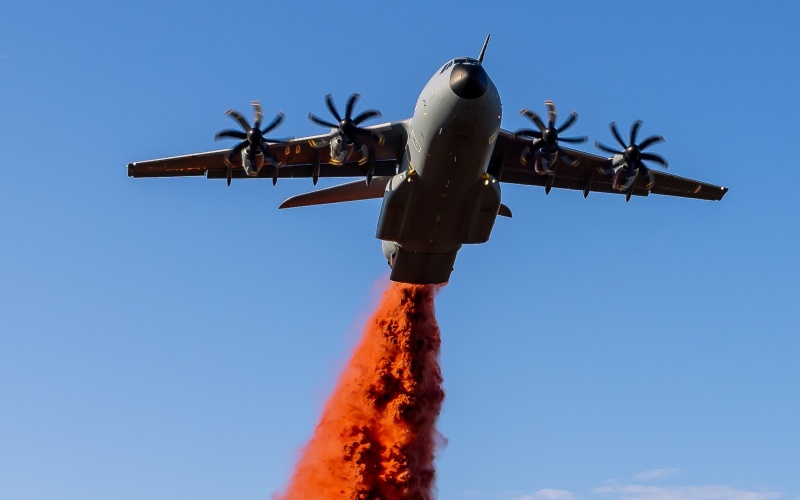
Sven Dawson: Airbus Defense and Space is one of the three major divisions of Airbus - alongside Commercial Aircraft and Helicopters - and covers an extraordinarily broad spectrum. Our mission ranges from classic defense programs such as the Eurofighter or the upcoming Eurodrone to satellite communications, reconnaissance systems and cybersecurity, as well as space technologies ranging from earth observation to interplanetary exploration.
In Germany, we are represented at several important locations, each of which has its own focus. We bundle aviation, defense and space competencies under one roof and can thus develop integrated, future-oriented systems - for example as part of the Future Combat Air System (FCAS), which combines air, space and cyber domains. In short: Airbus Defence and Space combines cutting-edge technology, strong locations in Germany and elsewhere, and security policy responsibility - thus making a decisive contribution to Europe's sovereignty.
How do you assess the security situation in Europe in light of the latest tones from the USA and the war in Ukraine, for example? In your opinion, are we on the right track here in Germany and Europe - and what challenges do you see for the industry in general and for Airbus Defence and Space?
Sven Dawson: Europe is at a turning point in terms of security policy. The war in Ukraine, new geopolitical tensions and the uncertain role of the USA make it clear that we need to consistently strengthen our defense and deterrence capabilities and expand our ability to act as Europe. Airbus Defense and Space sees itself as a strategic partner in this. With programs such as FCAS, Eurodrone, our satellite-based reconnaissance and communication systems as well as innovative solutions in cybersecurity and AI-supported situational awareness, we are making a decisive contribution to Europe's technological sovereignty. Our goal is clear: we want to enable the armed forces in Germany and Europe to act confidently even in an increasingly volatile environment. To achieve this, we are investing heavily in innovation, working closely with governments and partners and developing technologies that ensure security and defense capability in the long term.
Mr. Dawson, you are Head of Corporate Security and National Security Representative Germany. Can you give us an overview of your area of responsibility?
Sven Dawson: In my role as Head of Corporate Security at Airbus Defense and Space, I am responsible for protecting our employees, sites, information, technologies and products. This includes a broad spectrum of security areas - from classic plant and personal security to information and cyber security and the protection of critical technologies and infrastructures.
As National Security Representative Germany, I also represent Airbus' security-related interests vis-à-vis government agencies and authorities in Germany. This includes working closely with ministries, intelligence services and security authorities, particularly on issues such as national security requirements, approvals and compliance with legal requirements.
Together with my team, we work every day to identify risks at an early stage, manage threats effectively and strengthen the company's resilience. This is not just about physical protection, but also about securing sensitive data, technologies and programs that are of strategic importance for national and European security.
Our goal is to position Airbus Defence and Space as a reliable and secure partner for our customers, the German Armed Forces, NATO and other institutions - at a time when geopolitical tensions, cyber threats and the protection of critical infrastructure are becoming increasingly important.
Airbus is a European company, so it operates in several countries, each with its own safety culture. How do you manage to establish a harmonized safety strategy across borders?
Sven Dawson: We succeed in establishing a harmonized safety strategy because we define clear Group-wide standards, work closely with national authorities and sensitize our teams across cultures. In this way, we create a high, consistent level of security and secure the basis for the trust of our customers, partners and governments.
Could you describe for us - perhaps using a few examples - what changes have been made at Airbus Defense and Space in view of the global political situation?
Sven Dawson: The global political situation in recent years has prompted us to significantly sharpen our security architecture once again. Among other things, we have strengthened three key areas of action: Firstly, there is physical property security, where we have expanded our protective measures for critical sites, development centers and production facilities. These include extended access controls, increased video surveillance and closer cooperation with security authorities.
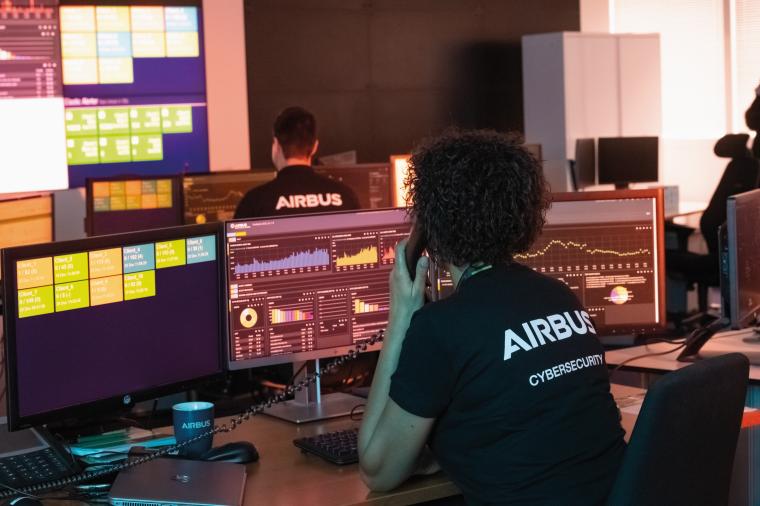
There is also the area of cyber defense and information security: the threat situation in cyberspace is constantly growing. We have therefore significantly strengthened our defense structures, invested in state-of-the-art threat detection technologies, expanded our Security Operations Centers and are working intensively with government partners to take joint action against cyber attacks.
The third of these key areas of action is the protection of critical technologies and programs. Precisely because we are working on projects of national and European security relevance, we have introduced additional measures to protect sensitive information and development data. Close coordination with authorities such as the Federal Ministry for Economic Affairs and Energy (BMWE) and the Federal Office for Information Security (BSI) also plays an important role here.
We have also given high priority to the topic of awareness: Our employees are the decisive factor for security. We are therefore investing more in training and awareness programs to further increase security awareness in all areas.
In short, we see security not just as a protective function, but as a strategic success factor. Only with a holistic approach - physical, digital and organizational - can we protect our innovative strength and at the same time ensure the trust of our customers and partners.
The exchange and proximity between authorities and industry is very different in Germany than in France or Spain, for example. Before you switched to industry, you yourself worked in a public authority for twelve years. Where do you see the differences here?
Sven Dawson: The German authorities are - unfortunately still - subject to legal requirements that do not always provide for or even demand cooperation and close exchange with industry. Other countries, such as those you mentioned, are far ahead of us in this respect. But here, too, we are seeing increasing interest from German authorities and a resulting intensification of exchange.
Where do you see a need for improvement in this area - also with regard to access to information, early warnings, counterintelligence, drone overflights and the like?
Sven Dawson: There is a considerable need for improvement in the organization of this exchange and cooperation. There is currently a lack of targeted agreements or even coordination at authority level. The industry is already coordinated here and is also in constant contact with our associations. Another major wish from the business community is the creation of a uniform national situation report that maps the various layers, e.g. the cyber situation, for all players from the business community, authorities and institutions.
What about capacities on the part of the authorities - for example when it comes to approvals? In your opinion, are there any obstacles here that could or should be overcome by reducing bureaucracy?
Sven Dawson: We should start earlier here. There are too few people on both sides, i.e. business and authorities, who know and understand both sides. As a result, there is often a lack of understanding necessary to pragmatically steer things in the right direction. Take the example of the Vice President of the Federal Office for the Protection of the Constitution (BfV), Sinan Selen. His CV shows a perfect symbiosis of experience on both sides. This has a positive effect on the cooperation between us as a business and the BfV, in which both sides participate. In addition, as a very digitally active economy, we hope that digitization in the authorities will now continue successively and with vigour.
Let's take a closer look at cyber attacks. Have they increased? After all, you are dealing with highly sensitive technological and defense-related know-how - one only has to think of fighter jets or helicopters...?
Sven Dawson: Yes, we have observed a significant increase in cyber attacks in recent years - both in terms of quantity and complexity. Companies such as Airbus Defence and Space, which work on highly sensitive, defense-related technologies, are in particular focus. This is not just about traditional industrial espionage, but increasingly also about state-controlled attacks aimed at tapping into know-how or disrupting critical systems.
Our response to this is to consistently strengthen our cyber resilience. We have expanded our Security Operations Centers, are investing heavily in threat intelligence technologies and are working closely with national and European authorities and partners. Our approach is holistic: we combine state-of-the-art technologies, continuous employee sensitization and close international networking in order to identify and ward off threats at an early stage.
At the same time, there is no such thing as absolute security. It is crucial that we constantly improve our reaction speed and our ability to limit damage. In this way, we ensure that sensitive data, programs and technologies remain protected in the best possible way and that the trust of our customers, partners and governments is maintained.
Cyberattacks are also an issue for smaller suppliers. How do you deal with this issue along the supply chains at Airbus?
Sven Dawson: You are absolutely right: cyberattacks do not stop at the Airbus factory gates. Smaller suppliers in particular, who often have fewer resources in the area of IT security, are increasingly being targeted by attackers. As our supply chain is an integral part of our security architecture, we have made supply chain (cyber) security a strategic focus.
In concrete terms, this means that we have established clear security standards and requirements that apply to all partners and are regularly reviewed. We carry out audits and assessments to identify potential weaknesses at an early stage. We also support our suppliers with training, best practice programs and advice so that even smaller companies can raise their security level. And we work closely with national and European authorities and other companies to ensure uniform standards along the entire supply chain.
Our goal is a resilient, holistic security network that not only protects Airbus, but also our partners and ultimately our customers' ability to defend themselves. For us, security in the supply chain is therefore not just compliance, but a shared promise of protection.
Mr. Dawson, Europe wants and needs to do and spend more on its defence. If this increases demand, then it is also likely to exacerbate the already widespread problem of a shortage of skilled workers. What does this look like at Airbus - with "blue collar" and "white collar" employees?
Sven Dawson: The growing need for defense in Europe is naturally also increasing the competition for qualified specialists - both in the blue collar sector, i.e. in production, manufacturing and technical professions, and in the white collar sector, i.e. for engineers, IT experts, security experts and cyber specialists. This topic affects the entire industry, and we at Airbus Defense and Space are also dealing with it intensively.
Our approach is multi-pronged: we are investing heavily in training young people, expanding dual courses of study and training programs and working closely with universities and universities of applied sciences. We want to impress as a modern, international employer - through flexible working models, development opportunities and the unique added value of working on technologically leading and security-relevant projects such as FCAS or space programs. We also promote internal further training to prepare employees specifically for new requirements - especially in future fields such as cybersecurity, AI and digital system integration. We consciously focus on diversity and international talent in order to mitigate the shortage of skilled workers and strengthen our innovative power at the same time.
Ultimately, anyone who works at Airbus Defense and Space today contributes directly to ensuring Europe's security. This awareness, combined with our technological excellence, also makes us an attractive employer in a tight labor market.
What special features are there in connection with military equipment, for example with regard to the necessary security checks?
Sven Dawson: The handling of military equipment is subject to very special requirements - and rightly so. This involves technologies that are of strategic importance for national and European security. In concrete terms, this means that security checks are mandatory for employees in sensitive areas in accordance with legal requirements. These checks are carried out in close coordination with the responsible government agencies and are a prerequisite for anyone being allowed to work on classified projects. In addition, strict confidentiality requirements, export control regulations and approval procedures apply, which we have firmly anchored in our processes. As Germany's largest player in this field, Airbus Defence and Space naturally has the appropriate structures and compliance mechanisms in place to consistently adhere to these requirements. We do not see these requirements as an obstacle, but rather as a central element of the trust that customers such as the German Armed Forces, NATO and European partners place in us. Anyone who works with military equipment has a special responsibility - and we take this very seriously.
To conclude: What will keep you most busy in your department in the near future?
Sven Dawson: The work of our division will be largely determined by three key areas over the next few years: Firstly, cyber and information security - including the protection of critical technologies and programs. The threat situation in cyberspace is constantly increasing. We will continue to expand our defense and resilience structures in order to protect our sensitive technologies and data in an increasingly aggressive environment. As we are working on projects of national and European importance - such as FCAS, Eurodrones or satellite-based systems - it is our central task to secure these technologies against espionage, sabotage and unauthorized access.
Secondly: The resilience of the entire security value chain does not end at our sites. We will therefore continue to intensify our cooperation with suppliers, partners in the industry and authorities in order to ensure a high level of security along the entire supply chain.
Thirdly and finally: finding the right people and skills. In view of the skills shortage, it is strategically important for us to attract and develop the best talent - both in traditional security functions and in future fields such as cyber defense, data analysis and AI. Security is created by people who put their skills and sense of responsibility at the service of a common task.
We also deal with topics such as employee sensitization, dealing with hybrid threats and building a common European security culture. In short, it is about strengthening Airbus Defence and Space as a reliable and secure partner for our customers - today and in the future.

Business Partner
Airbus Defence & SpacePaseo de John Lennon 2 D4-E
28906 Getafe - Madrid
Spain
most read
Secsolutionforum 2026 to explore integrated security, resilience and regulatory developments in Italy
Secsolutionforum 2026, the event dedicated to physical and digital security, will take place on 7 and 8 October at BolognaFiere, as part of Urban Tech 2026 – The Urban Technology Show.
Certification you can specify with confidence, wherever you're building
Specifying fire detection across Europe is rarely as simple as choosing a product that works.
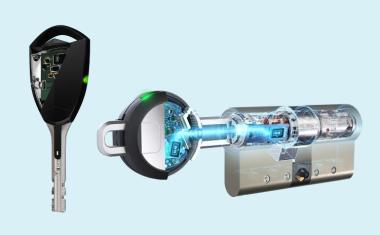
Digital Access with the Familiarity of a Key: A Versatile Combination
As organizations upscale, downsize, or onboard new locations, facility managers must more flexibly manage access control ever and frequently adapt to new situations.
Drones instead of trackside routes: DB plans automated monitoring to prevent tampering and disruptions
DB CEO Hennies: How AI, drones & bodycams are revolutionizing rail security. A look at the new strategy
TEST | Perimeter Security: Optex's EchoPoint Impresses in Real-World Testing
GIT TEST SERIES – PART 3 | EchoPoint excels in field testing with precise fibre-optic detection and intelligent event classification