Machine Safety During Retrofits: Assessing Risks and Safely Adapting Safety Concepts
Changes to machinery and equipment often have a more profound impact on existing safety concepts than is initially apparent. To reliably manage risks, a structured process is needed that integrates technical, organizational, and operational requirements. This allows adjustments to be implemented safely without unnecessarily complicating processes.
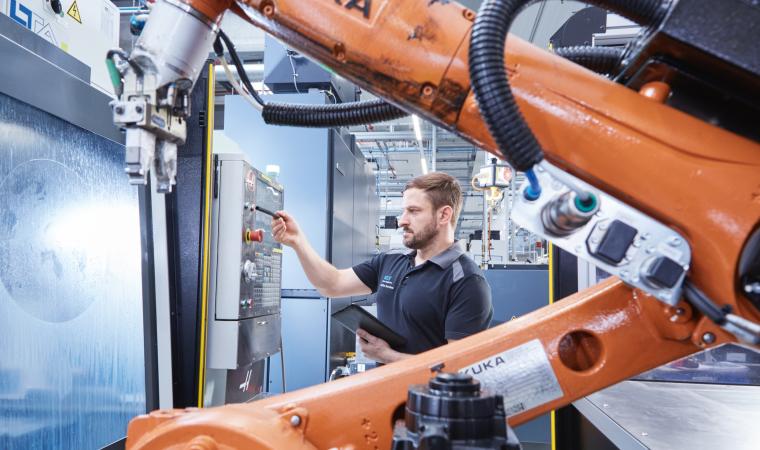
When facilities are expanded, it’s rare for everything to remain predictable. New material flows, additional machines, or changed processes always have an impact on safety requirements. In many industries, this change has long been part of day-to-day operations—especially where cycle times are increasing, automation is on the rise, and retrofits take place during ongoing operations. Companies thus face a key challenge: safety must remain reliable even as processes are constantly changing. And this is precisely where it is determined whether machine safety is merely managed—or whether it is actively integrated into the planning process and methodically supported.
Safety Implications
Even minor modifications to machinery or equipment can have safety implications. An additional function, a changed work area, or a new transport route can result in existing safety measures no longer being sufficient or needing to be adjusted. This is not just a matter of knowledge of standards or legal requirements.
More important is the ability to systematically evaluate changes: What new hazards arise? Which processes are changing? Which risks are acceptable—and which are not? Machine builders and operators know how challenging these assessments can be in everyday practice—especially when modifications are made under time pressure or when different departments are working on a project simultaneously.
Structured Security Process
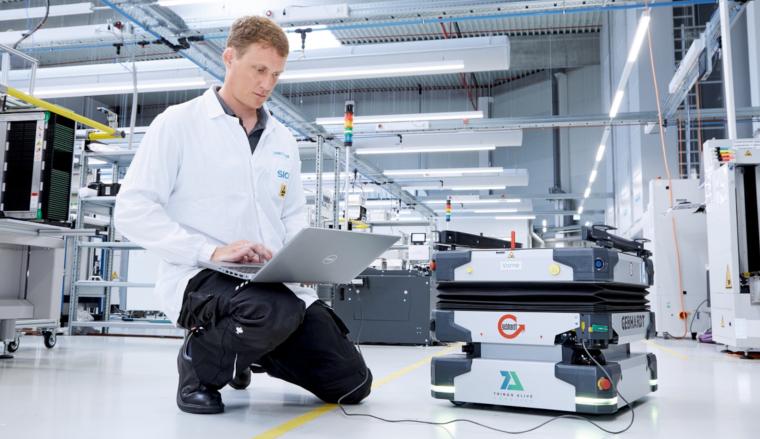
Implementing changes safely and transparently requires a clear process. A typical approach begins with a thorough risk assessment: It identifies where hazards arise and what requirements apply. Building on this, a safety concept is developed that takes into account the specific conditions of a facility—not in a theoretical context, but embedded within the actual workflows.
In the next step, this concept is translated into a technical safety design. The key question here is how to integrate protective measures in a way that preserves machine functionality while simultaneously meeting all regulatory requirements. The final stage involves verification and validation: The safety-related components of the control system are tested, the achieved performance levels are evaluated, and the results are thoroughly documented. Only then is the modification process technically completed and traceable.
What Companies Are Particularly Concerned About
Discussions with operators and machine manufacturers often reveal a similar pattern: The main problem is not the technology itself, but rather uncertainty about how to handle changes: When does a “significant change” occur? What documentation is required? How can safety measures be adapted to real-world working conditions? What standards apply to modifications or retrofits?
Especially in dynamic environments where equipment is frequently modified, the need for guidance increases. A systematic approach helps ensure that decisions are made in a transparent manner without placing an unnecessary burden on operations.
When Security Becomes a Stabilizing Factor
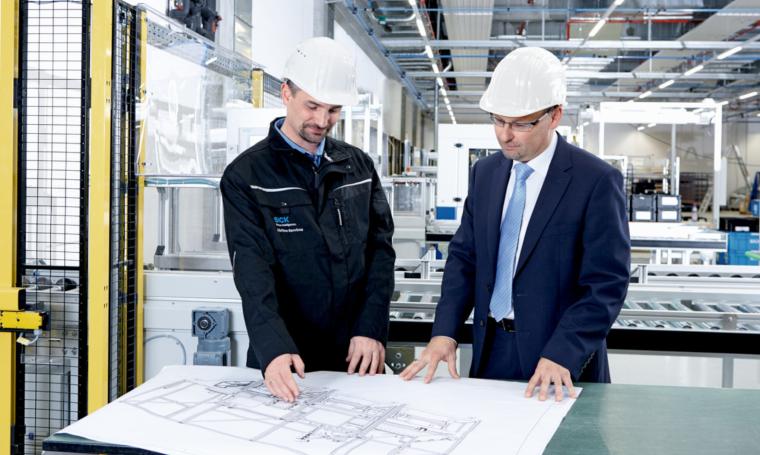
Well-planned safety measures can stabilize processes rather than slow them down. A clear assessment, a structured approach, and a thorough review not only provide legal certainty but also ensure transparency for everyone involved—from engineering and maintenance to plant operators.
Many companies realize in hindsight that a methodical approach yields long-term benefits: changes can be addressed more quickly, risks identified early on, and solutions consistently refined. In this way, safety becomes a factor that enables development—especially when requirements change frequently.
Thinking About Safety
When processes are in motion, safety must be considered, planned, and developed from the outset. A clear, transparent workflow helps ensure that changes to machinery and equipment are properly managed while maintaining stable operational processes. Safety is thus not merely a regulatory framework, but a structural component of every technical change—and a foundation for smooth, future-proof processes.