
Fire Protection in the Fire Station: Why critical infrastructure needs better self-protection
Fire stations are central hubs of emergency response and at the same time part of the critical infrastructure. Nevertheless, numerous fire incidents in recent years have shown that these facilities themselves are often not adequately protected. Modern emergency vehicles, extensive IT and radio technology as well as charging infrastructure for batteries and electrical units significantly increase the risk of fire. Electrotechnical defects and battery fires in particular are considered recurring causes of fire. If an incident is only detected late, fires often spread very quickly due to open hall structures and high fire loads - with serious consequences for buildings, vehicles and operational readiness.
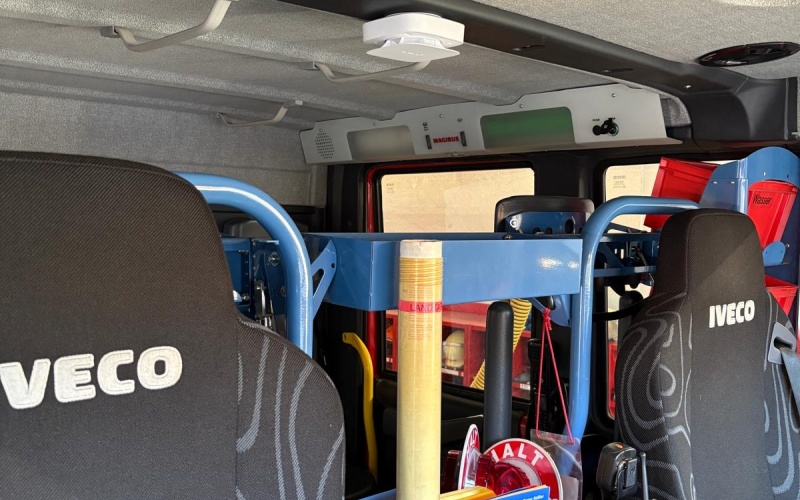
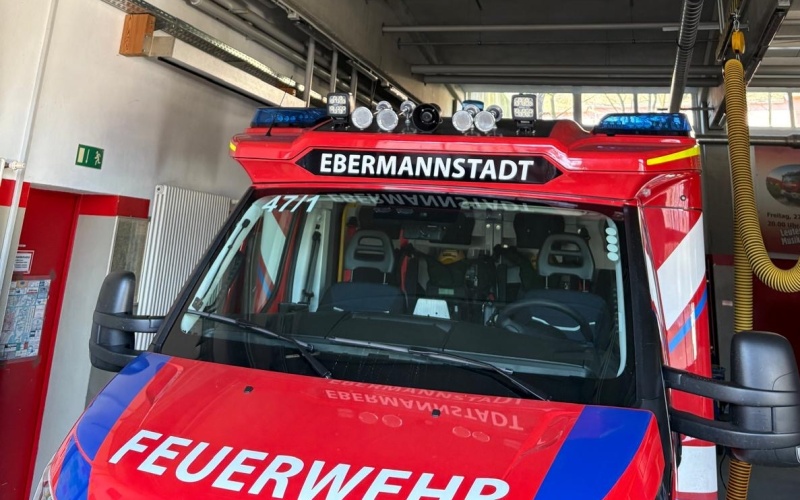
Under building law, fire stations are considered unregulated special buildings in many federal states in Germany. Binding specifications for automatic early fire detection are often lacking or are left to the discretion of local authorities. In practice, this means that either no automatic detection systems are installed at all or solutions originally designed for residential buildings are used. However, trade associations such as the BHE expressly point out that smoke alarms from the smart home environment do not meet the requirements for availability, monitoring and interference resistance in safety-critical environments. Instead, standard-compliant systems in accordance with EN 54, as used in professional fire alarm and fire warning systems, are recommended.
Continue with login
No account yet?
Protected area: Register now for free and get full access to all exclusive articles from GIT SECURITY International. With our newsletter we regularly send you top news from the safety and security industries as well as the latest e-issue.
Register





most read

Fiber Optic Sensing for Critical Infrastructure: Real-Time Threat Detection Across Vast Networks
Fiber optic sensing enables real-time monitoring and early threat detection across critical infrastructure

Programmable keys and digital locking cylinders can simplify access and compliance
The key to meeting building managers’ growing security and compliance challenges – without increasing workload or costs – is the implementation of smarter access

Certification you can specify with confidence, wherever you're building
Specifying fire detection across Europe is rarely as simple as choosing a product that works.

How Dom Eniq Transformed Access Control at Amsterdam’s Muziekgebouw Concert Hall
Muziekgebouw Amsterdam upgraded to the DOM Eniq electronic locking system, giving staff full control over access rights

AI Reality Check: Genetec CEO Pierre Racz
AI in security: Genetec CEO Pierre Racz cuts through the hype and outlines what really works in practice.