
Interfaces, Integration and Interoperability
If you are only interested in a stand-alone CCTV system for screening and recording video - full stop - then this article is probably not for you. However, most CCTV users these da...
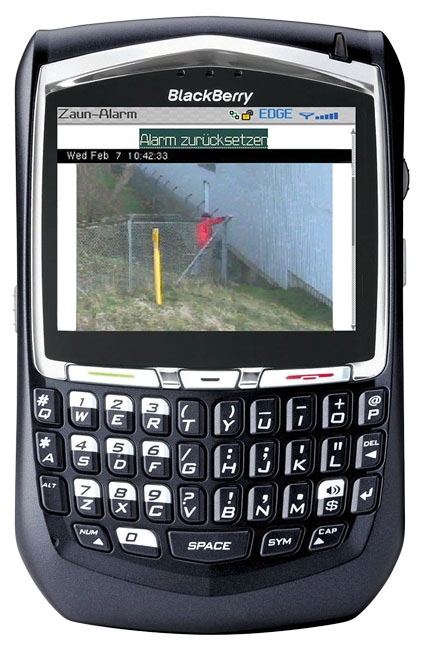
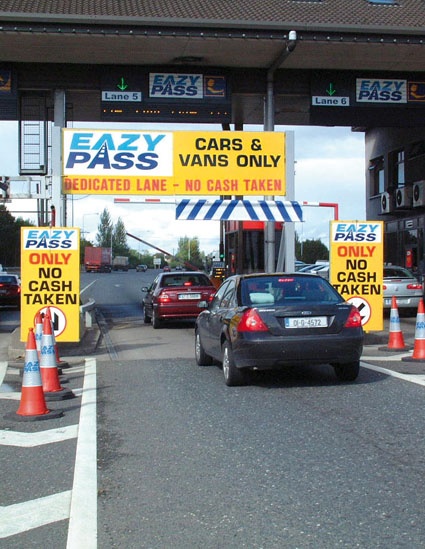
If you are only interested in a stand-alone CCTV system for screening and recording video - full stop - then this article is probably not for you. However, most CCTV users these days want much more for their money. Many want their video system to communicate with other security, management and technical systems, to form an integral part of a multifunctional system which supports staff and contributes to the organisation's physical and financial well-being in as many ways as possible.
Even those CCTV users whose focus is limited to security, also recognise that a comprehensive security solution which has all its sub-systems, including CCTV, linked together transparently and intelligently, offers considerable added value. It fulfils individual needs better; is easier to use and more manageable. It presents relevant information quickly in a readily understood form - particularly important when handling alarms or critical situations. And, by allowing the user to concentrate on the current situation rather than the technology, it promotes better management of events and hence better security.
Achieving inter-system communication and interoperability requires interfaces to act as simultaneous interpreters, to convert the coding used by CCTV equipment into the coding used by other systems, be they access control, building management, ATMs, or computerised payment systems - and vice-versa. However, the standard of service offered by interfaces can vary. Code conversion may be limited to the translation of just a basic range of coding which supports only a basic range of functions, or it can be extensive and sophisticated enough to support the full capabilities of the systems involved. It depends on the philosophy of the CCTV manufacturer as to what he includes as standard, whether he charges for its provision, and whether he offers additional help in dealing with additional individual project requirements. Where the CCTV manufacturer does not have a free interface, SDK and developer support policy, there can be significant extra costs involved in achieving the desired level of system integration.
The SDK or software development kit is a set of tools which enables a software developer to develop individual applications for a particular device or system. Besides the relevant software interface, the SDK usually provides source code examples with supporting technical documentation. It may also include a full digital test environment - a virtual device enabling the developer to test out his new software for a limited period.
Developing interfaces and SDKs to enable their products to communicate with third party devices and systems is an expensive business, and consequently many manufacturers charge for this work. Others see facilitating integration as part of a broader marketing strategy, in which the provision of free SDKs along with free assistance to outside developers enables higher levels of integration, greater customer satisfaction and long term customer loyalty. So when choosing a CCTV system supplier be sure to think about your current or future need for integrated functionality and check out the supplier's interface policy. That can avoid surprises and significant costs later in the project.




most read

Secsolutionforum 2026 to explore integrated security, resilience and regulatory developments in Italy
Secsolutionforum 2026, the event dedicated to physical and digital security, will take place on 7 and 8 October at BolognaFiere, as part of Urban Tech 2026 – The Urban Technology Show.

Certification you can specify with confidence, wherever you're building
Specifying fire detection across Europe is rarely as simple as choosing a product that works.

AI Reality Check: Genetec CEO Pierre Racz
AI in security: Genetec CEO Pierre Racz cuts through the hype and outlines what really works in practice.

Perimeter Security in a Practical Test: How the Wehrhan-TPS urban test site makes real attack scenarios visible
NEW SERIES: TEST SITE UNDER TEST. Perimeter security with radar and video management on the Wehrhan-TPS urban test site
How Dom Eniq Transformed Access Control at Amsterdam’s Muziekgebouw Concert Hall
Muziekgebouw Amsterdam upgraded to the DOM Eniq electronic locking system, giving staff full control over access rights