Smiths Detection Launches World's First Remote Baggage Screening Between South Korea and US Airports
Smiths Detection has delivered the world's first fully automated international remote baggage screening system, connecting South Korea's Incheon International Airport with major U.S. airports. This pioneering technology marks a significant advancement in global aviation security, enabling real-time bag checks across continents.
The system integrates Smiths Detection's HI-SCAN 10080 XCT, a high-speed computed tomography (CT) scanner certified for hold baggage explosives detection. Deployed as part of Incheon's Terminal 2 Phase 4 expansion, it allows operators in the U.S. to screen bags remotely from South Korea, reducing on-site staffing and processing times. This setup processes checked luggage at peak efficiency while maintaining stringent safety protocols approved by aviation regulators.
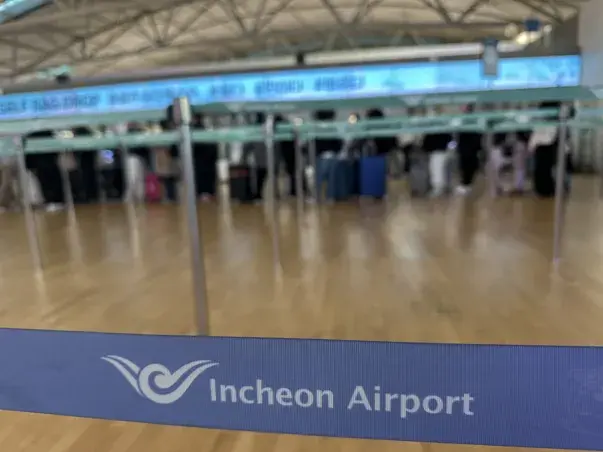
Remote screening slashes turnaround times for trans-Pacific flights by minimizing physical bag handling and enabling faster clearance. Airports benefit from lower operational costs, as fewer personnel are needed at the screening site, and threat detection accuracy improves through centralized expertise. The technology supports high-volume traffic at Incheon, one of Asia's busiest hubs, without compromising security standards set by bodies like the TSA and Korea's aviation authority.
This deployment sets a precedent for international collaboration in aviation security, potentially influencing future air cargo and passenger screening worldwide. Incheon Airport Corporation selected Smiths Detection for its proven reliability and innovation in CT-based systems. The project aligns with growing demands for efficient, contactless operations post-pandemic, enhancing passenger experience through quicker bag handling.
Industry experts anticipate wider adoption of remote screening for long-haul routes, driven by cost savings and scalability. Expansions could include Europe-Asia links, further integrating AI for predictive threat analysis. As air travel rebounds in 2026, such innovations ensure security keeps pace with volume, benefiting airlines, passengers, and regulators alike. (Word count: 712)