UL 2684 listing strengthens thermal image fire detection in Europe
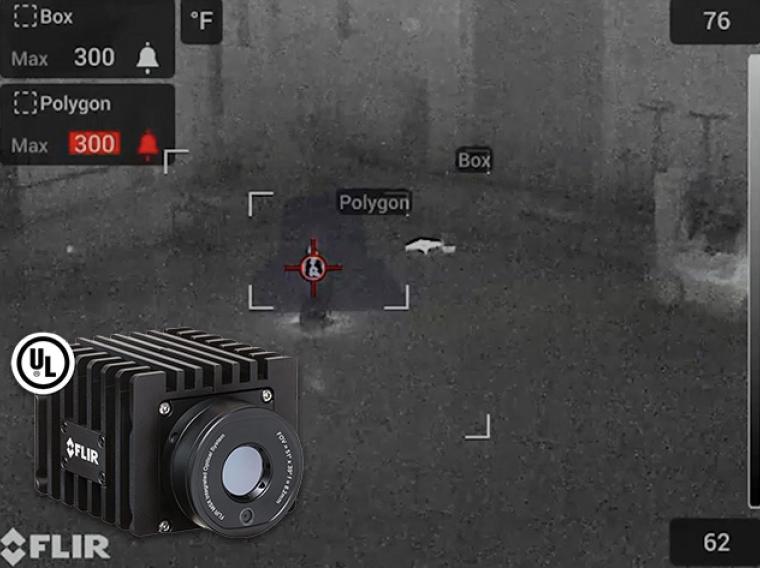
Teledyne Flir's A40 and A70 (Axx-Series) thermal imaging cameras are the first models to achieve UL 2684 listing. They are listed as thermal image fire detectors under ANSI/CAN/UL 2684, the Standard for Video and Thermal Image Detectors for Fire Alarm Systems. Although UL 2684 is a North American standard, this milestone has important implications for Europe.
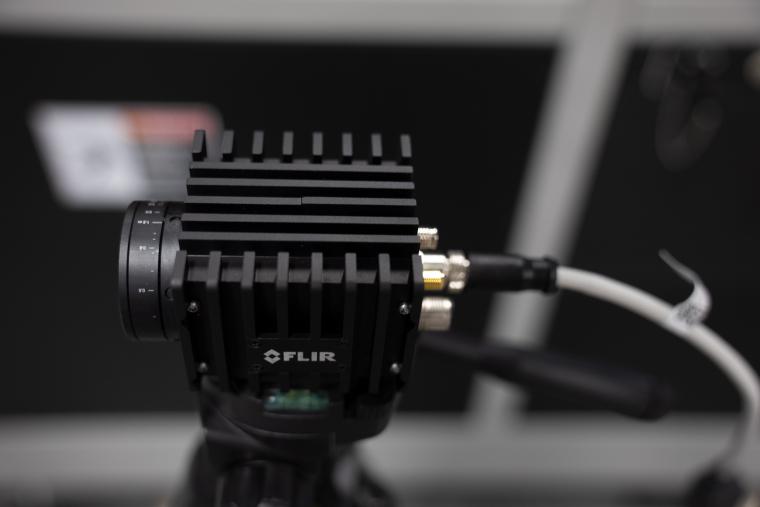
European fire detection is supported by a mature standards and certification environment covering established technologies such as smoke, point heat, aspirating, and flame detection. Radiometric thermal image detection has no harmonized European product standard of its own, and is addressed through project-specific approval pathways and national certification schemes, including VdS in Germany and CNPP in France. These pathways support the assessment of systems that continuously measure temperature across a scene and identify abnormal heat before smoke or flame develops.
EN 54-10 covers flame detection, including the flame-response capability of certified thermal cameras. UL 2684 is written specifically for video and thermal image detectors, evaluating and testing them as fire detection devices. In the United States, the 2025 edition of NFPA 72, the National Fire Alarm and Signaling Code, created a dedicated category for thermal image fire detection (Sec. 17.12), which requires thermal image fire detection systems to be listed for the purpose of fire detection.
UL 2684 is a North American product standard that provides an independent benchmark for the performance of video and thermal image fire detectors. In Europe, it can support the technical evidence presented through the applicable European approval pathway. European regulatory requirements, CE marking obligations, relevant EN 54 standards, national certification schemes such as VdS and CNPP continue to apply, and the approving authority determines project acceptance.
“Fire engineers work from evidence, and the strongest evidence is a published benchmark with an accredited laboratory behind it,” said Matthew Hasty, Global Vertical Director for Science, Automation, and Early Fire Detection at Teledyne Flir. “That is what the listing adds for Europe. It gives the people building the technical case something independent to build on.”
Versatile in Application
Demand is coming from operators. Waste and recycling sites deal with deep-seated fires in stored material. Manufacturers run bearings, motors, and hydraulic lines that heat up well before they ignite. Battery energy storage installations face thermal runaway. Data centers concentrate electrical load, and a failing connection runs hot long before it smokes. Rooftop solar arrays develop hotspots at connectors and modules, often on roofs with no conventional detector at all. In each case, thermal imaging provides continuous temperature-based monitoring that can identify developing heat conditions before smoke, flame, or conventional heat thresholds are reached.
Thermal imaging is line-of-sight, so a camera protects what is in its field of view. In practice that means specific high-value assets: a switchboard, a battery enclosure, a conveyor run. It works alongside conventional detection rather than in place of it. The cameras are also multi-spectral: detection is thermal, while an integrated visible camera supplies the picture, so an alarm arrives with video of what caused it. An operator can see what they are dealing with before stopping a line, and a stoppage that turns out to have been unnecessary is money the site never gets back.
For projects being designed in Europe today, the UL 2684 listing provides independent evidence that can strengthen the specification and approval case. It works alongside the applicable European, national, and project-specific approval pathway.