GIT SECURITY AWARD 2027: The Winners and Key Trends in Safety and Security
The winners of the GIT SECURITY AWARD 2027 represent current technology trends in safety and security: intelligent analytics, connected systems, automation and preventive detection.
Safety and security decision-makers have cast their votes and the winners of the GIT SECURITY AWARD 2027 have been decided. Across six categories, the results recognise a total of 19 products and solutions that reflect current developments in the security industry. The spectrum ranges from functional safety and digitally supported occupational safety to AI-based video analytics, connected access solutions, hazard management, perimeter protection and early fire detection. In each category, the three products receiving the most votes are honoured. This year, there is one special feature in the machine and plant safety category: two solutions share third place.
What also unites the winners is the technological transformation behind the individual applications. Sensors provide increasingly differentiated information, AI supports analysis and classification, and systems exchange data across platform and network boundaries. At the same time, early risk detection is becoming increasingly important. The winners of the GIT SECURITY AWARD 2027 therefore also point to the direction in which security technology is currently developing.
Machine and Plant Safety: Wireless Technology, Energy and Secure Networking
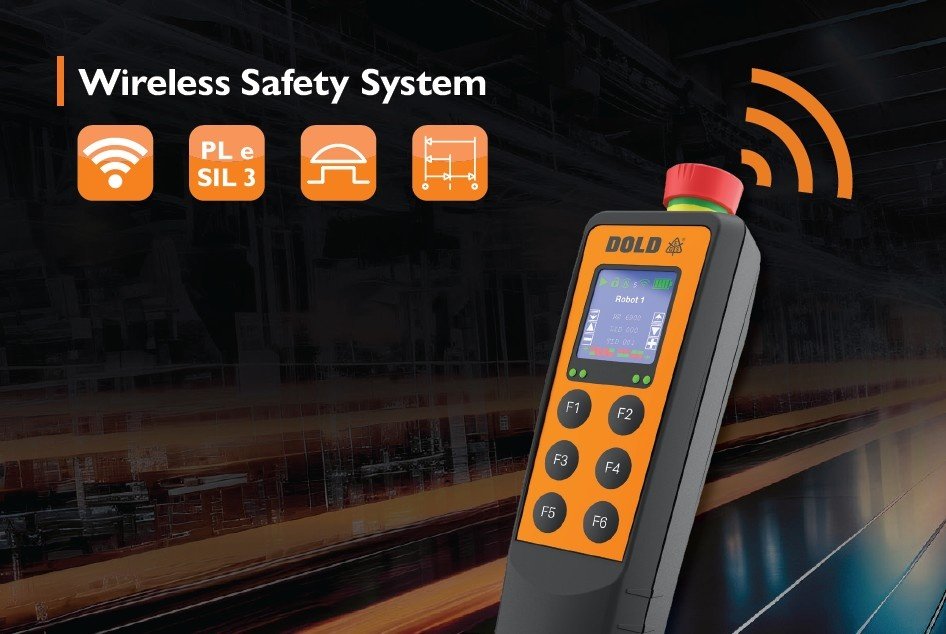
1st Place: E. Dold & Söhne, RE 6900 Wireless Safety System
The system enables safe shutdown via a wireless emergency stop as well as safety-related enabling during setup and maintenance work. Bidirectional communication, RFID authorisation and a design suitable for Category 4, PL e and SIL 3 combine freedom of movement with functional safety.
2nd place: Mersen ProGrid Solutions
The switch-fuse protects energy, industrial and infrastructure installations against overload and short circuit. Its modular design allows sensors for energy flows, transformer condition, environmental conditions and switch cabinet access to be added later without modifying the enclosure.
3rd place: Euchner, CKS2 transponder-coded key system
Coded keys and integrated evaluation electronics provide tamper-resistant control of access and machine enabling. The scalable system can be used as a lockout, key-transfer or authorisation solution and integrated into door-locking systems and control panels.
3rd place: Moxa Europe, NPort 6000-G2 Series
The serial device servers securely integrate legacy devices with RS-232, RS-422 or RS-485 interfaces into Ethernet-based OT networks. IEC 62443-4-2 Security Level 2 certification, centralised authentication and traffic monitoring support retrofit projects and defence-in-depth concepts.
Occupational Safety: Protection Meets Everyday Practicality
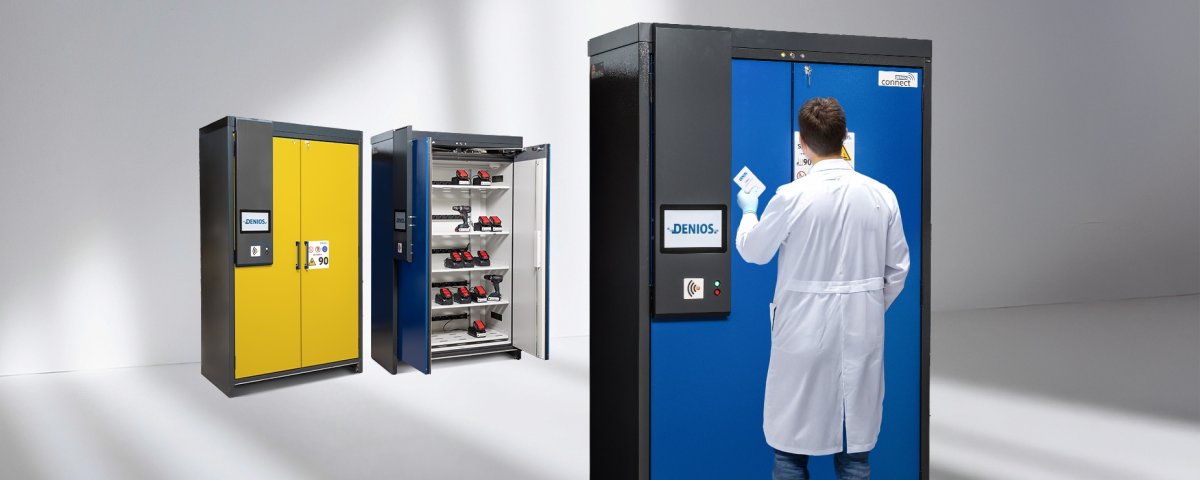
1st Place: Denios, Real-time Asset Monitoring
This solution enhances safety cabinets with RFID inventory tracking and personalized access control. Hazardous materials, lithium-ion batteries, and other critical equipment can thus be tracked in real time, while unauthorized storage or operational errors can be detected earlier.
2nd Place: Blåkläder, Multi-Standard Long-Sleeve Shirts 3436 and 3437
These flame-retardant, antistatic shirts combine multiple protective functions with lightweight piqué fabric and a women’s-specific cut. Certifications including EN ISO 11612, EN 61482-2, and EN ISO 20471 cover thermal hazards, arc flash risks, and visibility requirements
3rd Place: Atlas Max Series
The S3S safety shoes are designed for wet, dirty, and mechanically demanding work environments. A lightweight ProTraX upper, metal-free puncture protection, an abrasion-resistant toe cap, and cushioning sole technology are designed to provide protection and reduce fatigue during intensive use.
Video Security: Two Spectrums, Large Areas, Better Planning
1st place: Axis Communications Q6411-LE Bispectral PTZ Camera
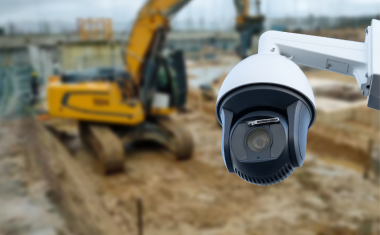
The PTZ camera combines thermal imaging with a visual 2-megapixel unit and 31x optical zoom. On-camera AI analytics, object detection and hardware-based key management support detection and verification across extensive outdoor areas.
2nd place: NSTR.security by LivEye, digital planning tool
An interactive map interface enables protection zones, camera positions and risk areas to be planned collaboratively. A cost overview and collaborative editing facilitate coordination of temporary security concepts between service providers, clients and project managers.
3rd place: Dallmeier Panomera V8
Eight lenses, sensors and AI chips create a continuous 180-degree image for large public spaces, logistics areas or airport sites. The consistent data set supports video analytics, object search, crowd management and the analysis of pedestrian or vehicle flows.
Access Control and Intrusion Protection: Hybrid Systems for Connected Buildings
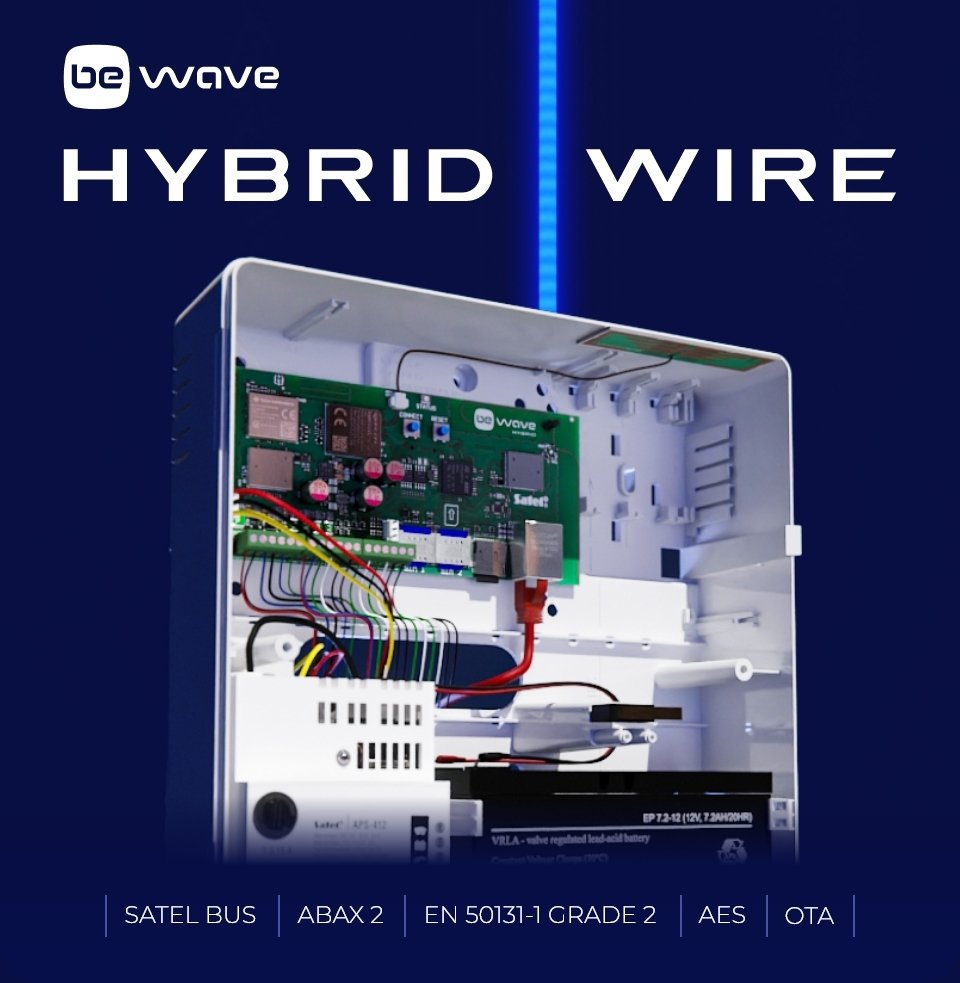
1st place: Satel BE WAVE Hybrid
The system brings together Grade 2 intrusion protection, building automation and visual alarm verification on one platform. It supports wireless, hybrid and wired installations, operates without a mandatory cloud connection and remains accessible via local Wi-Fi even if the internet connection fails.
2nd place: Ksenia Security Conexa
The IP-based touchscreen keypad serves as the user interface for security and building automation systems. The 10.1-inch display and Android operating system with app support enable the integration of different cameras, video door systems, air-conditioning systems and smart devices.
3rd place: Dom Security Online Mesh
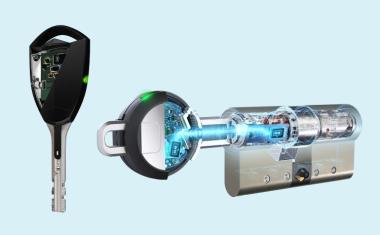
The Ethernet gateway connects access-control IT with a self-healing Thread mesh network for digital locking components. Up to 512 devices can be integrated via a single IP connection point, providing functions such as remote control, live events and battery information.
Security Management and Perimeter Protection: Automation for Complex Situations
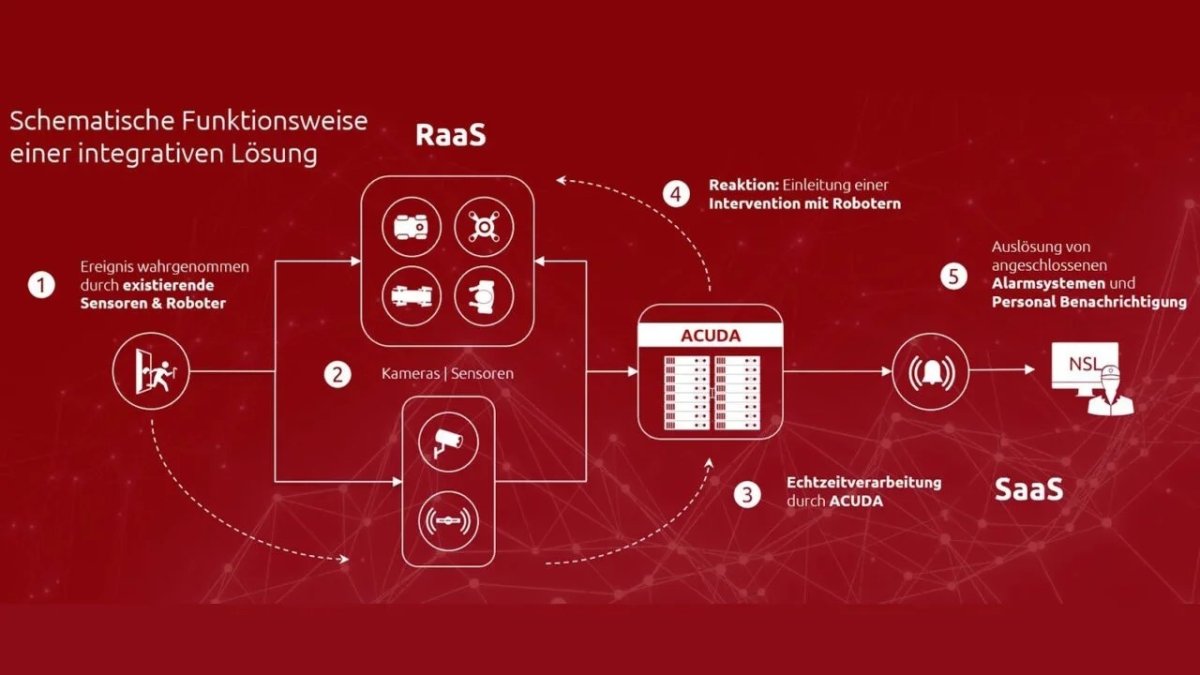
1st place: Security Robotics, autonomous mobile security robots
The AI-supported systems perform patrols, perimeter checks and inspection tasks using video, thermal imaging, sound and anomaly detection. Integrated into control centres, they complement human personnel and primarily take on repetitive or potentially hazardous assignments.
2nd place: IVMS Lynx
The hazard management system, certified to VdS 3534, combines fire and intrusion detection, video surveillance and building automation in a manufacturer-neutral interface. Event-specific action plans and digital building plans support control centres in assessing and coordinating the handling of alarms.
3rd place: Hirsch Secure Lumor
The fibre-optic system uses Distributed Acoustic Sensing, turning a fibre-optic cable into a continuous sensor for movement and vibration. Events can be located over distances of up to 130 kilometres and classified by type of activity.
Fire Protection: Detect Early, Respond Precisely
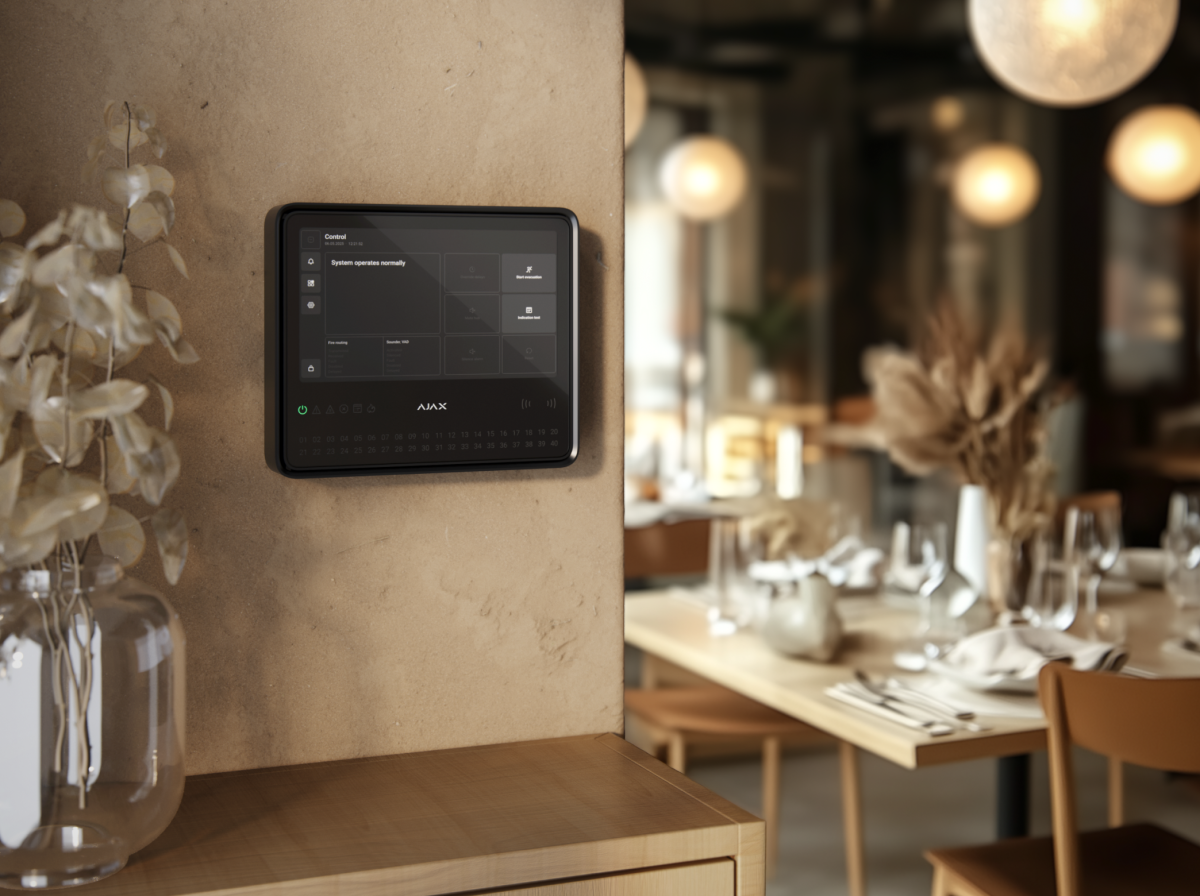
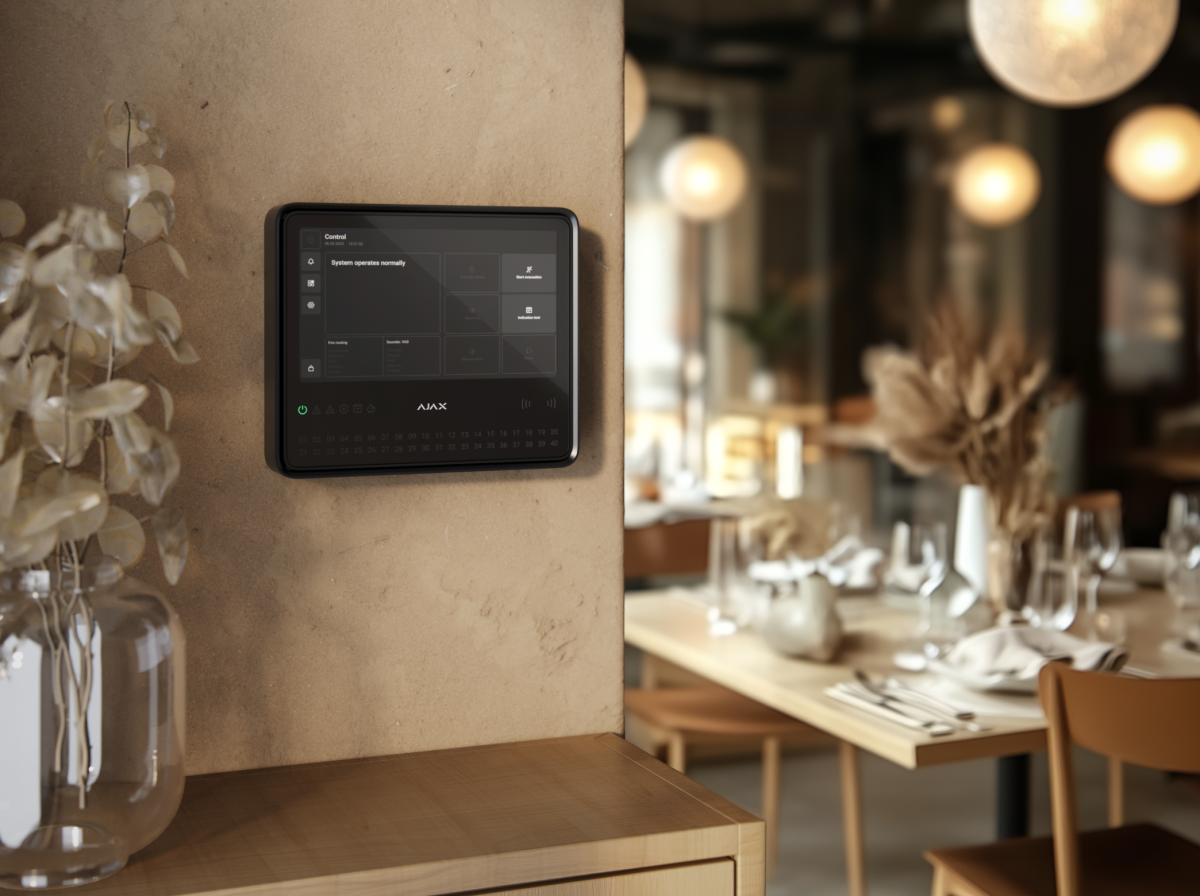
1st place: Ajax Systems EN54 Fire Hub Jeweller
The wireless fire alarm control panel combines fire protection with intrusion protection, video surveillance and automation. Integrated communication channels, touchscreen operation and visual alarm verification are designed to simplify installation, remote management and response to events.
2nd place: Securiton SecuriGas
The system enhances aspirating smoke detectors with highly sensitive sensors for venting gases such as hydrogen and carbon monoxide. In lithium-ion batteries, it can detect critical conditions as early as the off-gassing phase and, according to the manufacturer, up to ten minutes before thermal runaway.
3rd place: Hanwha Vision bi-spectrum cameras
The cameras combine optical flame detection with thermal temperature measurement for industrial facilities, data centres and charging infrastructure. Configurable measurement zones, a range from minus 10 to 450 degrees Celsius and MQTT support facilitate integration into industrial monitoring and SCADA systems.
GIT SECURITY AWARD 2027: Integration Shapes the Winning Solutions
The award-winning products make it clear that security and safety functions are no longer viewed in isolation. Wireless emergency stops, hazardous-material cabinets, cameras, access-control components and fire detectors are increasingly becoming connected data sources. The decisive question is whether this connectivity delivers clear information in day-to-day operations, shortens response times and remains manageable at the same time.
The trend towards early intervention is equally evident. Gas sensors identify critical battery conditions before a fire occurs, fibre-optic systems locate activity along extensive perimeters, and intelligent cameras combine detection with immediate verification. The winners of the GIT SECURITY AWARD 2027 therefore represent an approach to security and safety that not only reports hazards, but also identifies connections and provides more targeted support for responsible personnel when making decisions.